Webmorson · Tree growers
We grow trees. Here’s how to get the right ones in the ground.
A tree that suits its spot, goes in at the right time and gets a little care for its first two summers will usually look after itself for the rest of its life. This site is here to help with all three, and to make it easy to ask us what you need.
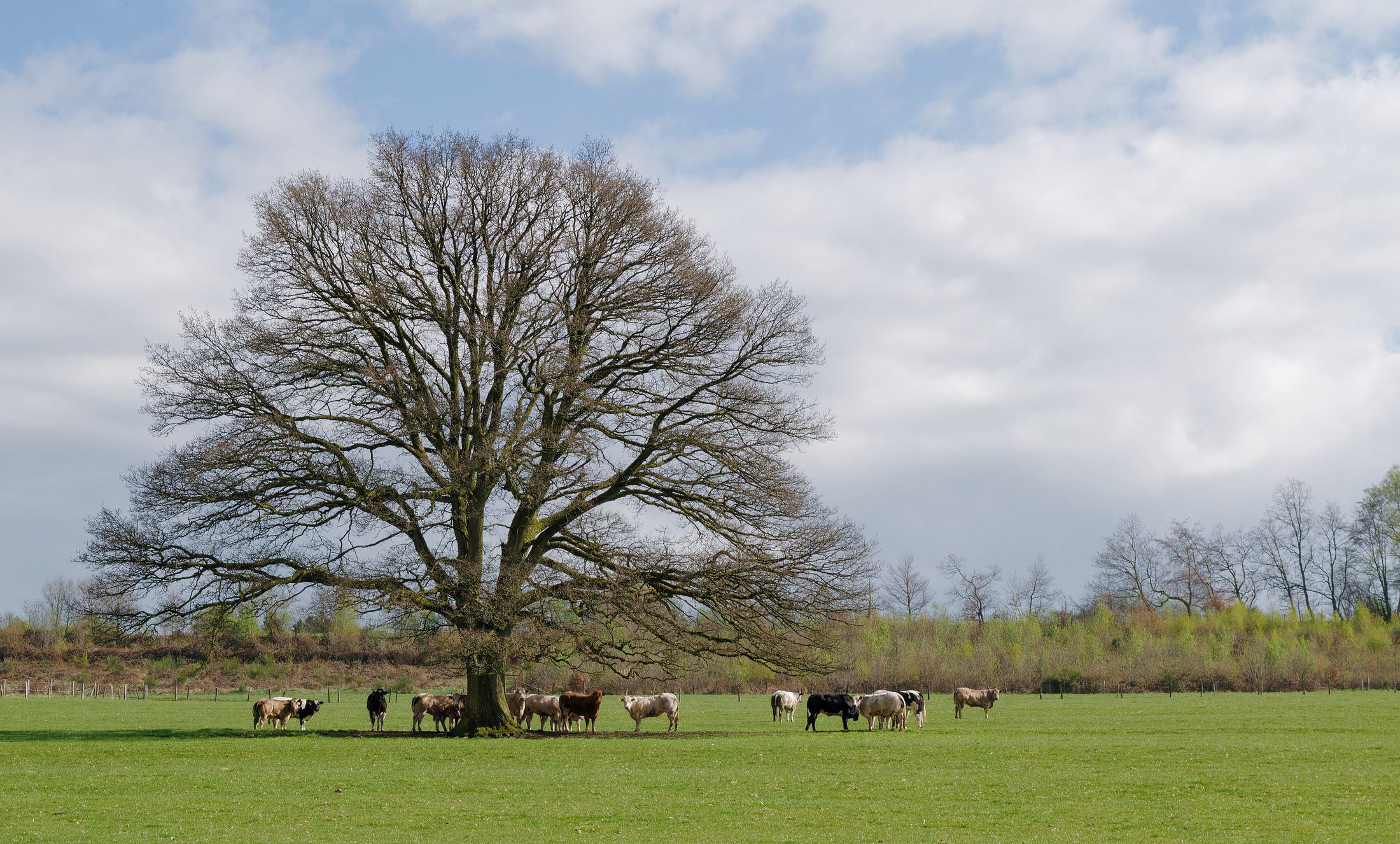
When to plant
Most trees are happiest going in while they’re asleep.
Trees are sold in three main forms, and each has its own window. This is general guidance for the UK. A hard frost, waterlogged ground or a heatwave can close any window for a while.
Good time to plant Possible, but water regularly This month
What we grow
Trees, thought about by the job they’ll do.
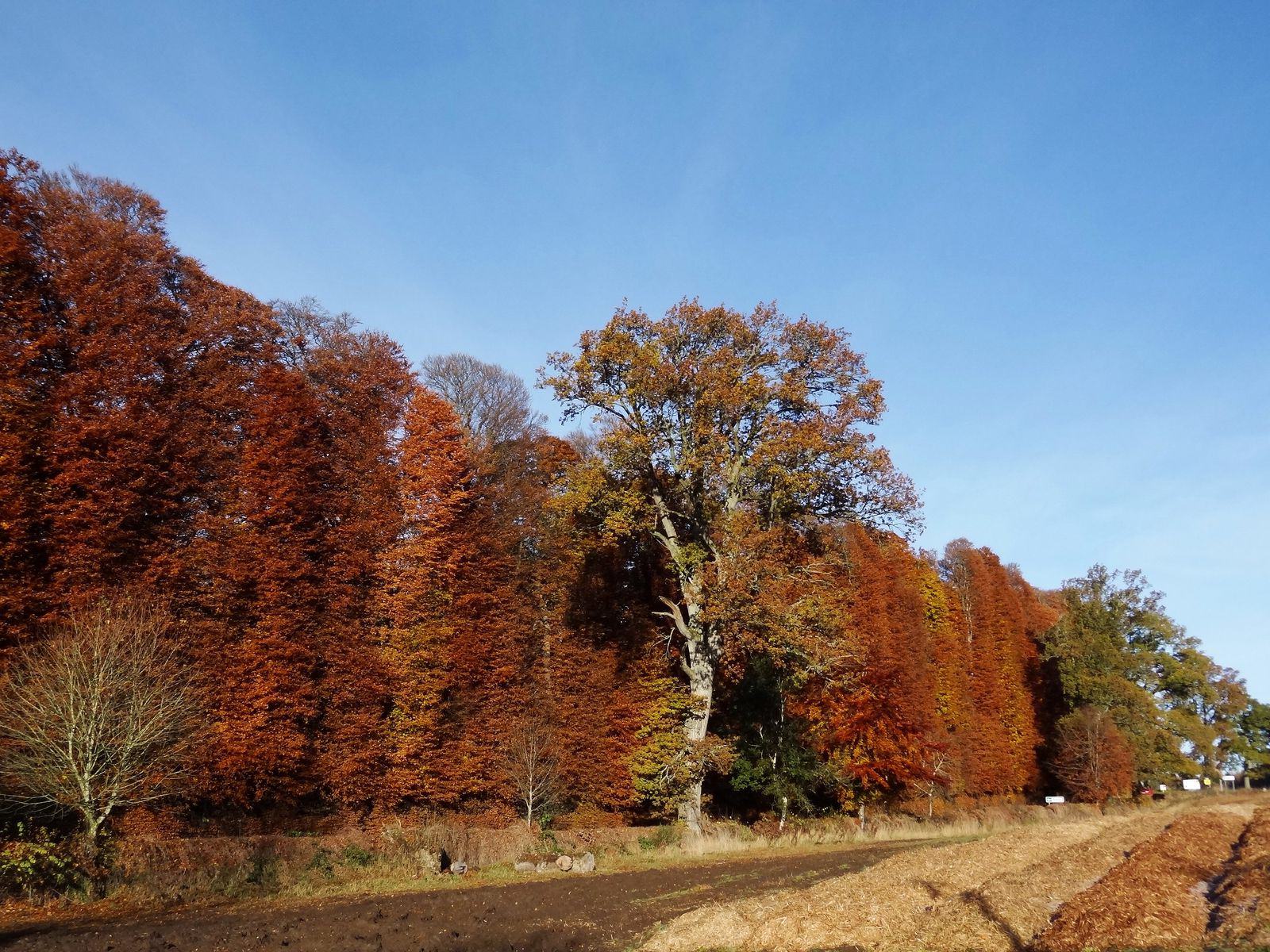
What we have ready changes through the year, so we’d rather hear what you’re planning than send you a long list. These are the kinds of planting we can talk through with you. Tell us which one fits and we’ll tell you what we can offer this season.
-
Hedging
Boundaries, windbreaks and wildlife corridors. Hedges are usually planted as young bare-root plants, close together, so they knit into one another. Tell us the length and we can work out numbers.
-
Woodland and shelter
Larger plantings where numbers matter more than size. Small trees (often called whips) are cheaper, cope with exposure better and usually catch up with bigger trees within a few years.
-
A tree for a particular spot
One or two trees for a garden, a driveway or a memorial. Here the questions are about eventual size, shade, roots near buildings and what you want to see in each season.
-
Not sure yet
That’s fine. Tell us about the ground, how exposed it is and what you’d like the trees to do, and we’ll suggest a starting point.
Our approach
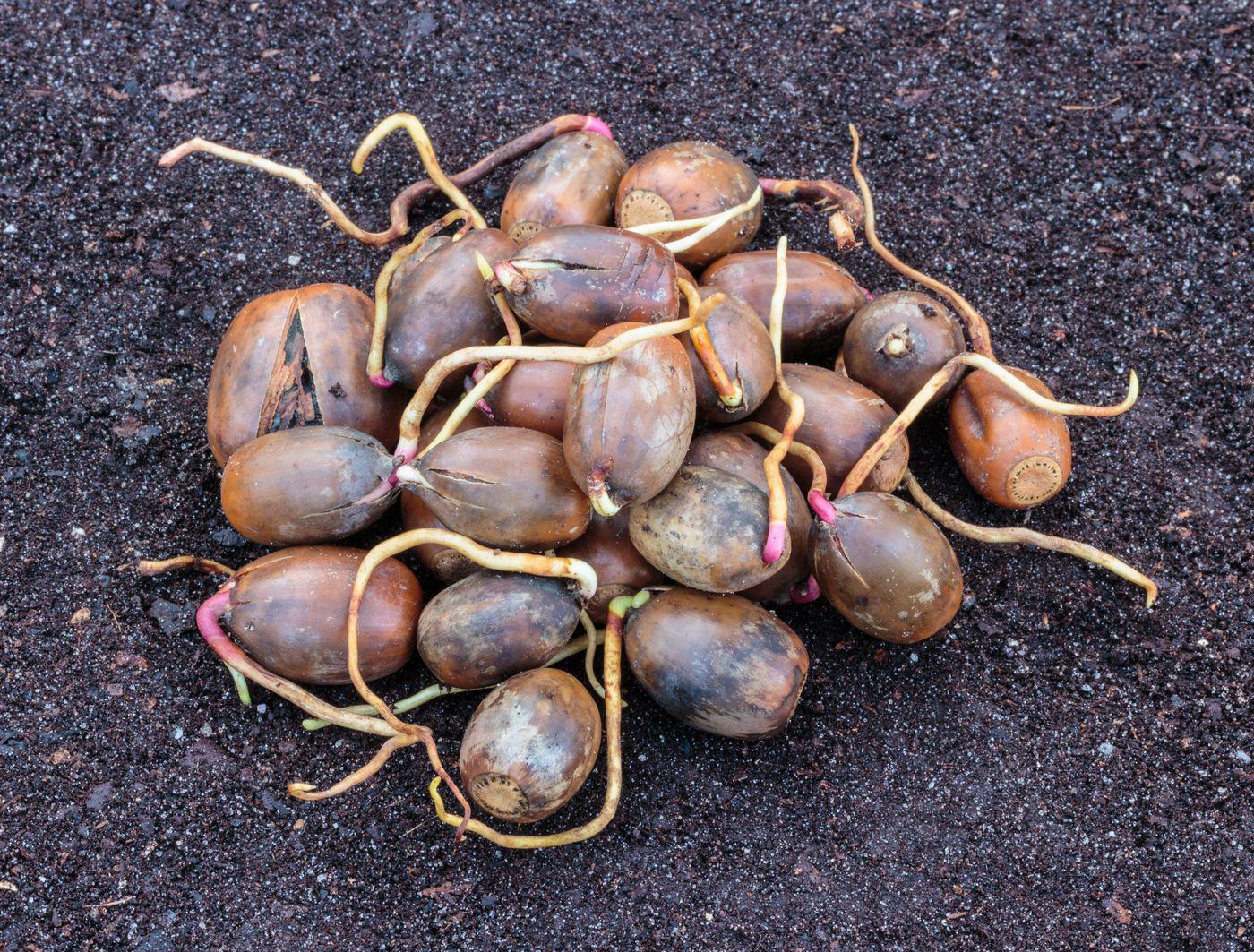
A tree is a long conversation. We’d like the first part to be a good one.
Right tree, right place. We’ll ask about your soil, your space and your plans before we suggest anything. A tree that’s wrong for its spot is a slow disappointment, however good it looked when it arrived.
Plain answers. If a tree won’t suit your site, or now isn’t the time to plant, we’ll say so.
Help after it’s in. Most young trees that fail do so in their first couple of summers, usually from drought or competition from grass. The guide below covers the things that make the biggest difference.
Planting
Planting a young tree, step by step.
This is general advice that suits most young trees in most gardens and fields. If your site is unusual (very wet, very exposed, on a slope) ask us first.
- Root collar (where stem meets roots) level with the soil, not buried
- Mulch ring about 5–8 cm deep, kept clear of the stem
- Hole wider than the roots, but no deeper
- Short stake and loose tie, only if the site is exposed
Keep the roots damp
Bare roots can dry out in minutes in wind or sun. Keep them wrapped until the moment you plant. If you can’t plant for a few days, “heel them in” by laying them in a shallow trench and covering the roots with soil.
Pick your day
Avoid frozen, waterlogged or sticky ground. If soil smears when you squeeze it, wait a few days.
Dig wide, not deep
Make the hole wide enough to spread the roots out, and only as deep as the roots need. Break up the sides of the hole so roots can get out into the surrounding soil, especially in clay.
Set the height
Look for the change in colour where the stem meets the roots. That mark sits level with the ground. Burying the stem is one of the most common reasons young trees fail.
Backfill, firm, water
Return the soil around the roots, firming gently with your heel as you go, then give it a thorough soaking even if rain is due.
Mulch and keep the grass back
Grass and weeds take water a young tree needs. Keep a circle around the stem, about a metre across, clear for the first few years and cover it with mulch.
Protect if needed
Where there are rabbits or deer, use guards or fencing from day one. They can strip a new planting in a night.
Water through the first two summers
In dry spells, give a long soak once or twice a week rather than a splash every day. This matters more than anything else once the tree is in.
Words you’ll see on tree lists
- Whip
- A young tree that is a single stem with few or no side branches. Cheap, quick to plant and good at establishing.
- Feathered
- A young tree with side shoots (“feathers”) along its stem.
- Standard
- A larger tree with a clear stem below the branches. Usually sized by the girth of the trunk, e.g. 8–10 cm.
- Bare-root
- Lifted from the field while dormant, with no soil. Only available in the dormant season.
- Root-balled
- Lifted with a ball of soil, wrapped to hold it together. Used for larger trees and evergreens.
- Hedge spacing
- Mixed hedges are often planted at about 5 plants per metre in a staggered double row, or about 3 per metre in a single row.
Plan an enquiry
Tell us what you’re planning.
Answer as much or as little as you like. As you go, you’ll see notes worth knowing for your site. When you’re ready, it writes an email for you to check and send from your own email app. Nothing is sent or stored by this page.
Contact
The quickest way to reach us is by email.
john.bower@webmorson.co.ukWe don’t have a contact form yet. Write to us about what you’d like to plant, where, and roughly when, and we’ll get back to you.